

Our Industrial Millwright Services
At Wayne Brothers, we’ve found that precision is the greatest predictor of efficiency. We leverage advanced technology to install, relocate, maintain, and repair even the most specialized industrial equipment. Our team also assists with layout planning and optimization.
The Wayne Brothers Difference

Master Millwrights
Our team navigates the most complex mechanical systems and installations. Their direct engagement with original equipment manufacturers ensures successful project execution.
3D Lift Modeling
We use state-of-the-art technology, including remote-operated lifts and surveying equipment, to guarantee safe, precise lifts and equipment installations.
Client + OEM Coordination
No-stress collaboration is a call away. From domestic and international freight coordination to offloading and installation, we’ve got you covered every step of the way.
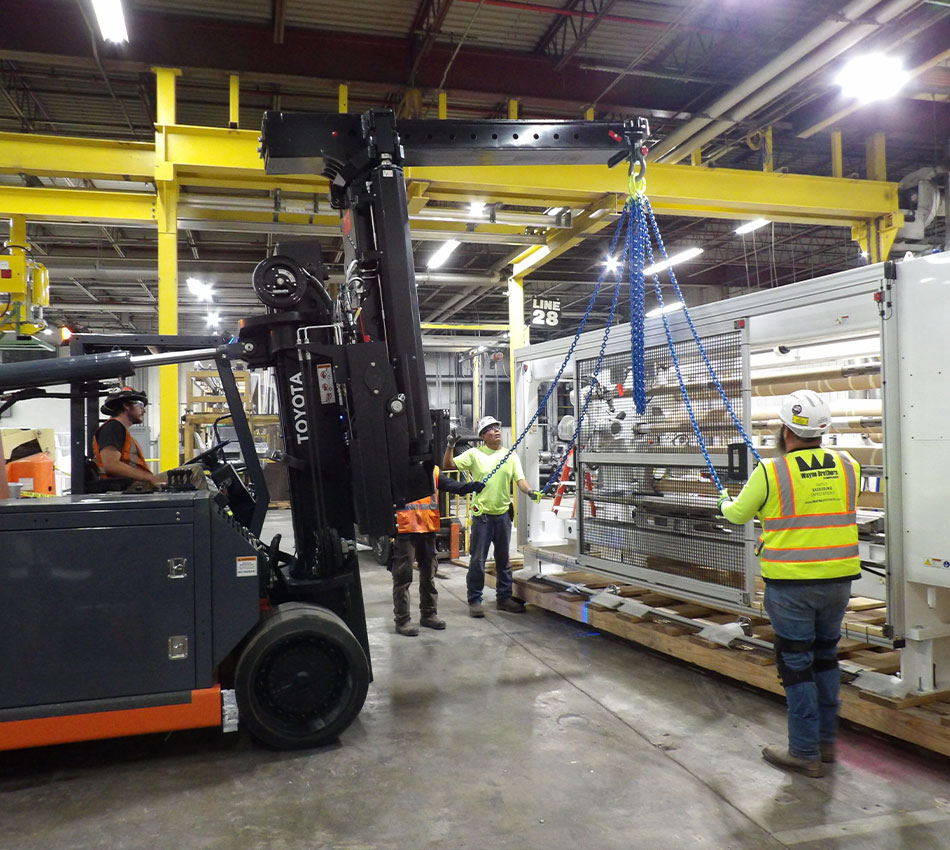
Equipment Installation
We provide best-in-class installation to industrial and manufacturing partners. Wayne Brothers’ millwrights and riggers handle planning, equipment layout, offloading, installation, and alignment.
As our clients grow, they ask Wayne Brothers to decommission existing equipment to make way for new hardware. Our crews operate with care to methodically remove old equipment and install new equipment with minimal disruption
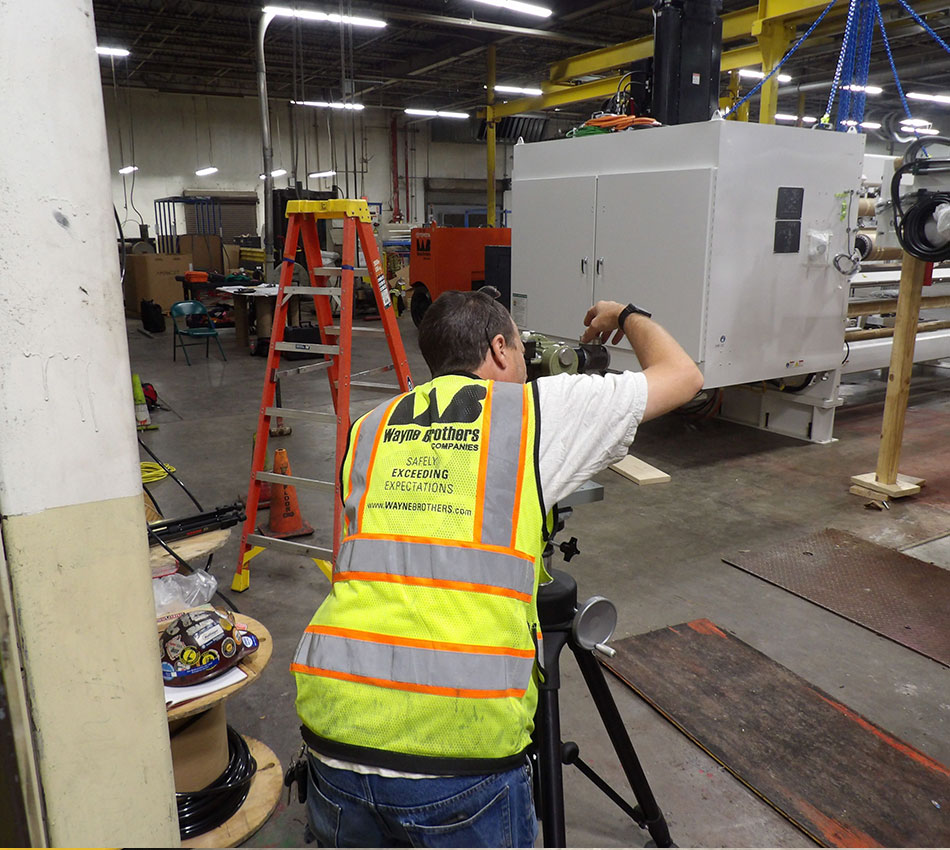
Precision Alignment
Our alignment services protect your equipment and ensure peak performance. Wayne Brothers’ master millwrights use leading optical and laser technology to meticulously inspect, analyze, and align a wide range of machines and equipment.
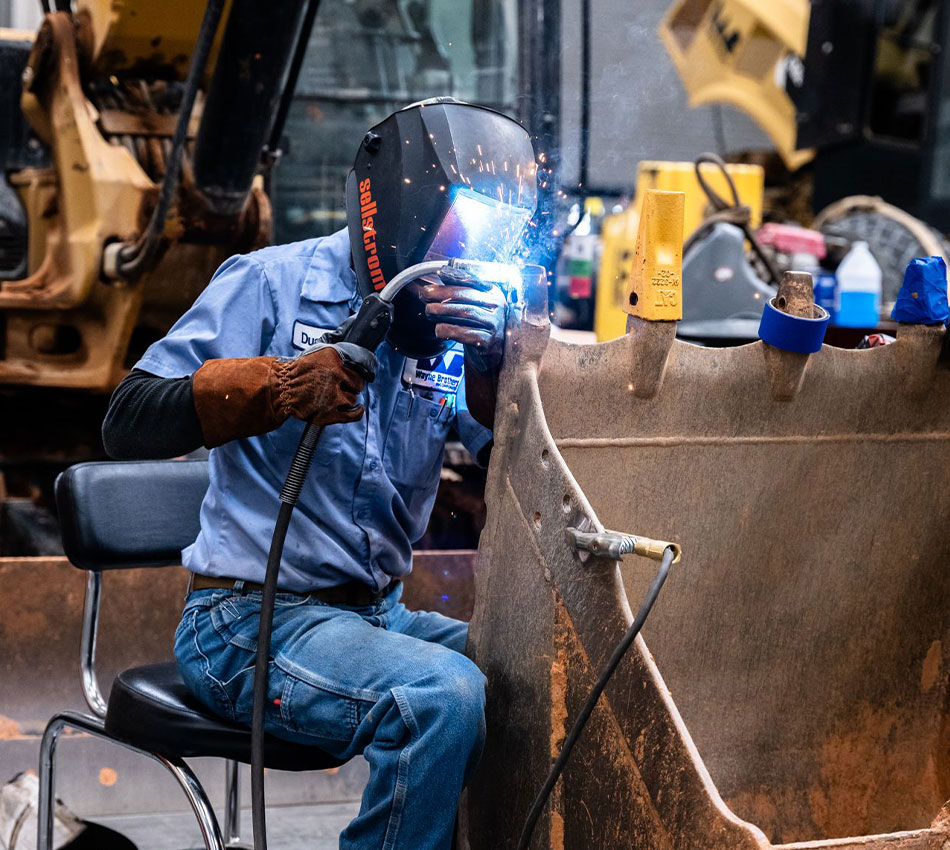
Industrial Maintenance Services
The Wayne Brothers team is available on demand to service the equipment throughout your facility. Our capabilities include preventative maintenance and process improvement diagnosis. We’re also on call to troubleshoot and repair malfunctioning equipment.
We draw from our in-house resources — like our on-staff engineers — to solve problems fast. Our team will work with you to create a service contract that fits your needs and budget.
Resources + Insights
View All Articles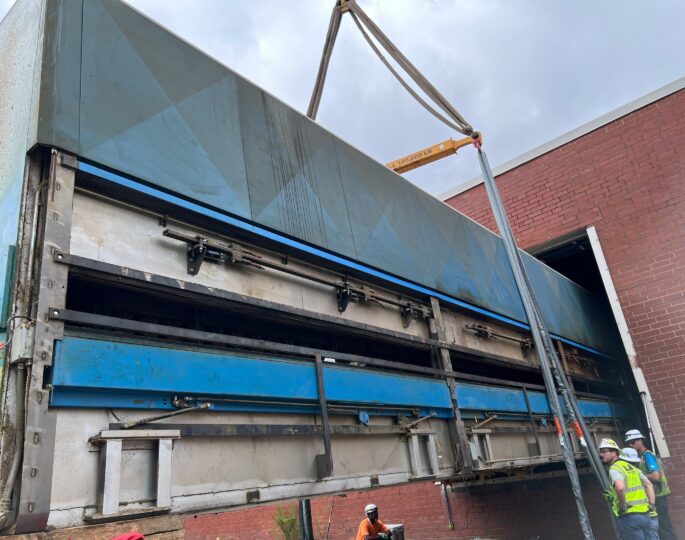
How to Prepare for Equipment Installation
Manager with 35 years of experience explains how to prepare for equipment installation in existing facilities, from site conditions to field verification to safety.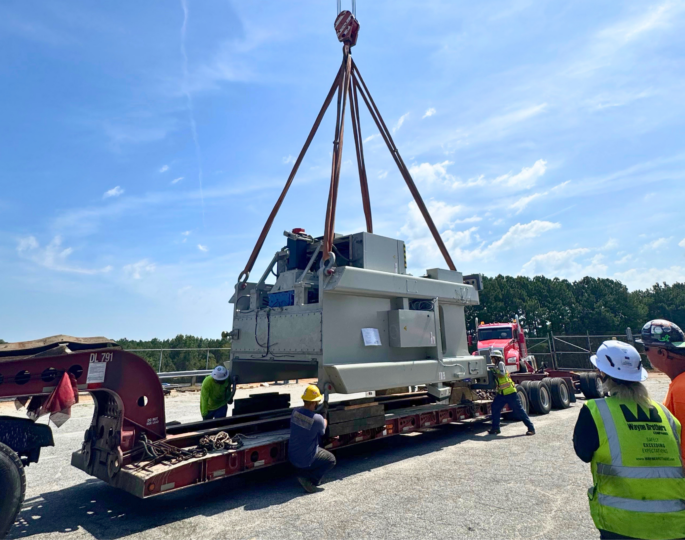
What to Ask an OEM Before Buying Production Equipment
Foundations, tolerances, utilities, and access. The questions to ask your OEM before equipment arrives, and the ones that cost the most when nobody asks.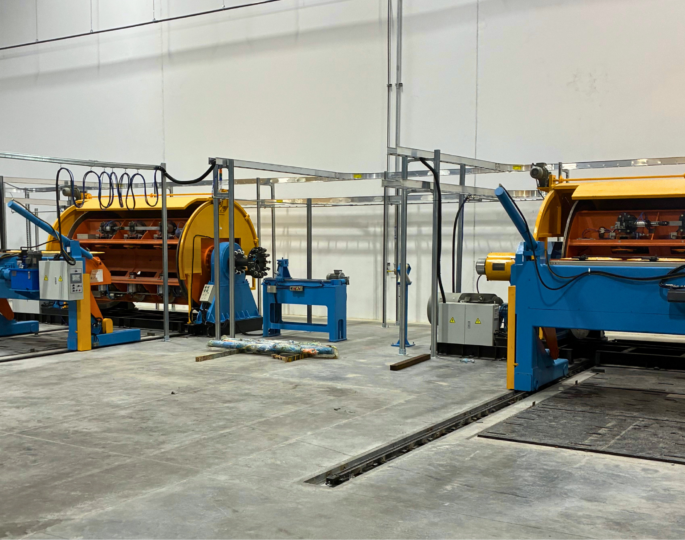
What a Millwright Contractor Needs to Quote Equipment Installation
What a millwright contractor needs before quoting your equipment installation, how long a estimate takes, and why assembly scope drives the number.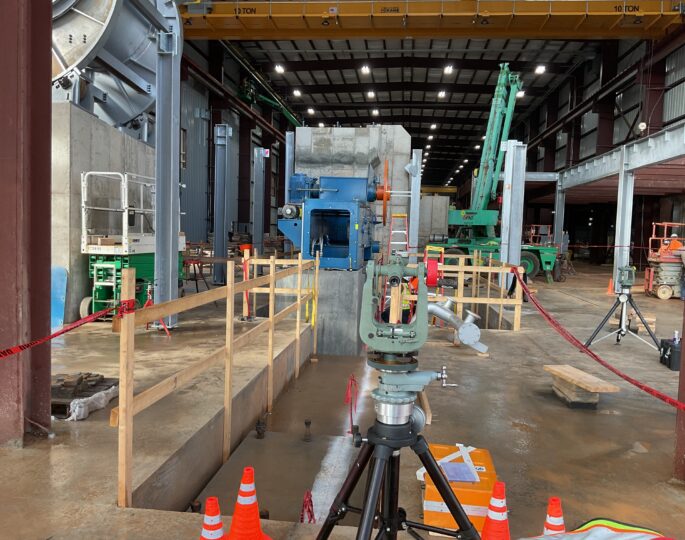
Equipment Installation OEM Drawings and Field Verification
A layout drawing from an equipment manufacturer is not an engineered installation package & treating the two as interchangeable is one of the more expensive mistake.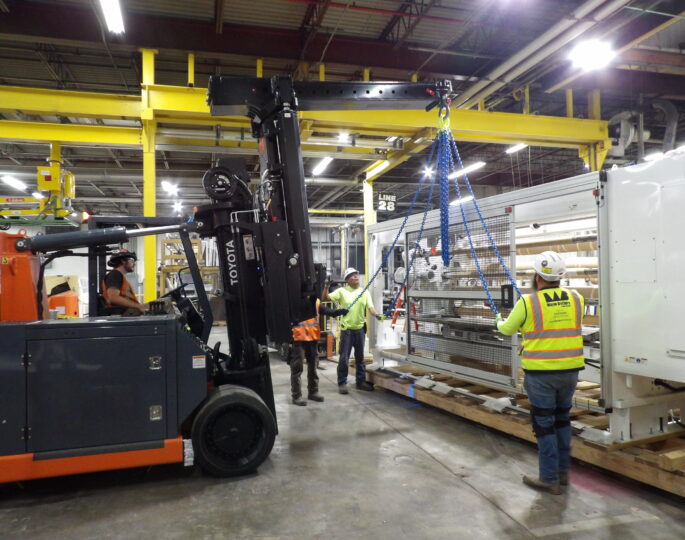
Equipment Installation Site Prep: Access, Loading, and Logistics
Preparing a site for equipment installation starts with confirming physical access, floor and concrete loading capacity, and on-site storage.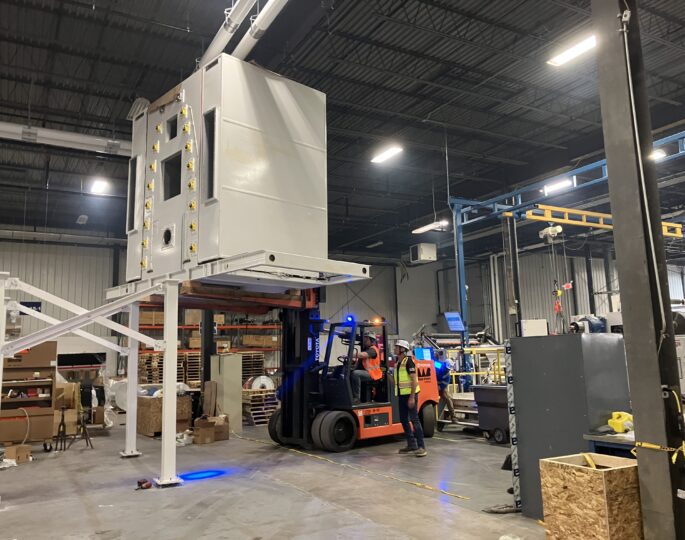
Safety Planning and Multi-Scope Coordination in Equipment Installation
Certified lift plans exist because equipment installation carries real failure potential, not hypothetical ones. The best installations are rarely single scope.Frequently Asked Questions
-
How far in advance should equipment installation be planned?

Planning should begin before the equipment purchase order is finalized, not after. Site conditions, foundation requirements, and rigging access all affect cost and schedule, and confirming them early prevents change orders once equipment is already in transit. Clients should begin speaking with and coordinating with installation contractors as early as possible and involve them in discussions with the OEMs.
-
What does field verify mean in equipment installation?
Field verification is the process of physically confirming that actual, as-built site conditions match the drawings before fabrication or installation begins. It catches small discrepancies, such as a survey reference point that is off by a couple of inches, before they compound into a much larger misalignment.
-
Can new equipment be installed in an existing, operating facility?
Yes. Most equipment installation work happens inside existing facilities rather than new construction, often while production continues nearby. This requires closer coordination around access, floor loading, laydown space, and scheduling around ongoing operations.
-
Who is responsible for the foundation design when new equipment is purchased?
This depends on the contract, but it is frequently overlooked. Equipment manufacturers typically provide a layout drawing, not an engineered foundation design, and clients are sometimes unaware that a separate, engineered foundation is required until later in the project.
-
What causes the most schedule delays in equipment installation?
Mismatched delivery sequencing is one of the most common causes. If equipment does not arrive in the order it needs to be installed, crews are left waiting rather than working, which stalls the schedule even when overall labor capacity is sufficient.
-
How long does it take to compile an equipment installation estimate?
One to two weeks is professional courtesy.
That is not padding. A millwright estimate is not a unit price applied to square footage. It is a takeoff of safety planning, rigging plans, crew composition, crane or forklift requirements, assembly hours, project sequencing, and coordination with whoever else is working in that space. Some of it requires calls back to the OEM and to suppliers of both the client and millwright firm.
See Our Work

Ready To Move Equipment?
We can handle planning, equipment layout, offloading, installation, and alignment.