The Labor Behind What America Builds
Author: Keith Wayne, CEO
Labor Day is one of those holidays that most of us recognize without giving much thought to what it really means.
For many Americans, it marks the unofficial end of summer, a long weekend, a cookout, or the beginning of football season. But the word Labor in Labor Day carries a much deeper meaning.
It is a day to recognize the men and women whose work has built this country. We should pause to remember the people whose contributions are often the least visible.
I am talking about our craft-level labor employees.
These are the men and women who show up before daylight, climb out of a truck, put on their PPE, and go to work. They move the dirt. They dig trenches. They place pipe. They prepare sites. They set forms, handle concrete, operate equipment, install utilities, build foundations, clean up after the work is complete, and perform countless other tasks that are essential to getting a project built.
Read More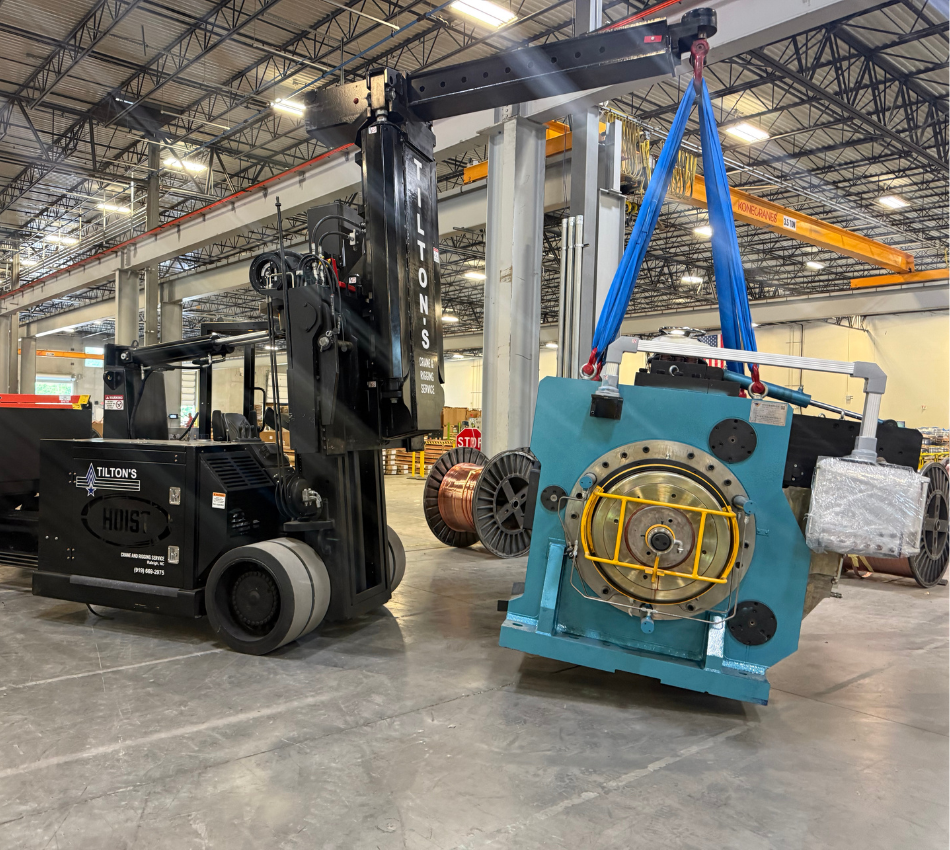
How to Prepare for Equipment Installation
By Scott Walker, Millwright Division Manager
Most equipment installation work does not happen in a brand-new building built around a single machine. It happens inside an existing, operating facility, where production has to keep running, access is limited, and the building was rarely designed with this specific piece of equipment in mind. Wayne Brothers’ millwright division installs process equipment inside active industrial and manufacturing facilities across the Southeast and beyond, and the projects that go smoothly almost always share the same handful of preparation steps.
The first question on any installation is whether the equipment can physically get into the building, not whether it just fits on paper.
Read MoreFeatured Project
Siemens Energy
Wayne Brothers’ Industrial group is relocating and installing heavy process equipment as part of a year-long plant expansion and remodel, with concrete work that included three 5′ x 13′ slab recesses for tables. The team started by installing a new production line with one 300-ton press and two 80-ton presses, then broke down two existing lines and moved that equipment into place, craning out and re-erecting a 300-ton press and trucking four 80-ton presses with a Versa Lift. Brakes, shears, and Gorbel cranes up to 40,000 pounds were relocated using a four-leg gantry, a 250-ton crane, and equipment skates.
Read More

Exceeding Expectations
Hear from Leadership
Jim Rhodes talks leadership, attitude, and respect on a recent podcast. Here are a few snips worth a listen.